
Our Sacred Abode
Temple Architecture
The temple is a beautiful example of traditional Kalinga architecture, rich with art and spiritual symbolism.
Kalinga Architecture
Following the traditions of Puri, the temple adheres to the Kalinga style, featuring the main sanctum (Vimana) and the assembly hall (Jagamohana).
The Main Sanctum
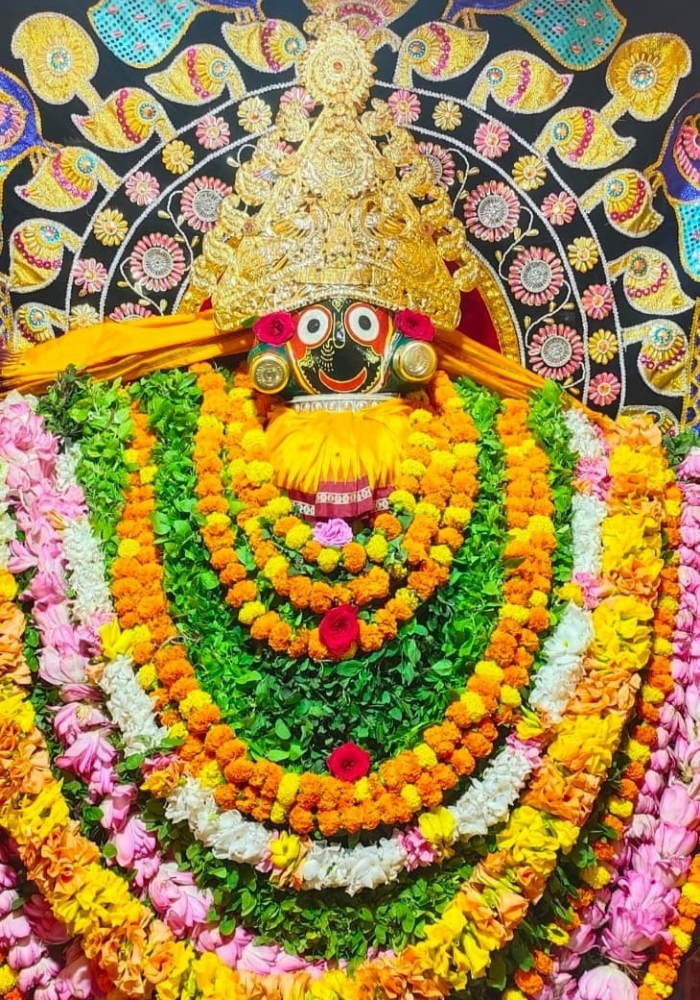
The Garbha Griha (sanctum sanctorum) houses the sacred idols of Lord Dadhibaman and Satihari (Kamla), installed on the Ratna Singhasana.
Puranic Wall Paintings
The temple interior is adorned with beautiful wall paintings depicting Puranic stories, immersing devotees in a divine atmosphere.
The Presiding Deities
Our Sacred Lord
The divine forms of Lord Dadhivamana and Satihari, and their unique traditions of worship.
A Tale of Pure Faith
The Legend of Paramananda Sahu
Discover the miraculous story of a humble devotee whose pure devotion brought the Lord directly to his home.
The Devout Behera
Paramananda Sahu was known for his deep devotion. When honored monks arrived at his poor household, he was distressed. He left home chanting the Lord's name to seek food, but found no success.
The Lord's Miracle
A proxy—looking exactly like Paramananda—arrived and handed a key to his wife, telling her food was stored in the paddy room. She opened it and joyfully found it filled with rich foods.
The Blessed Return
When the real Paramananda returned empty-handed, his wife narrated the event. Realizing the Lord Himself had intervened, Paramananda could not hold back his tears of absolute gratitude.
"You are the most fortunate lady, for you could see the deity Dadhivaman yourself."
A Divine Sacrifice
Sati Kamla's Ultimate Devotion
The story of Kamala, the devoted daughter-in-law of Paramananda, is a testament to unwavering faith.
Kamala's Devotion
It was the sacred duty of Kamala to care for the family deity, Lord Dadhivamana, whom she worshipped daily with a pure heart.
The Trial by Fire
A disastrous fire caught the family's home. Paying no heed to warnings, Kamala rushed into the flames to save her revered God.
Merging with the Divine
Kamala never returned. Strangely, no remains of Kamala or the wooden deity were found in the ashes.
"It was believed she had completely merged with the divinity. To this day, she is worshipped alongside the Lord as Satihari."
A Divine Sacrifice
The Miracle of Faith
The story of Kamala, the devoted daughter-in-law of Paramananda, is a testament to unwavering faith.
Kamala's Devotion
It was the sacred duty of Kamala, Paramananda's daughter-in-law, to take care of the family's wooden deity, Lord Dadhivamana. She worshipped him every day with a pure heart and unwavering dedication.
The Trial by Fire
A few days after the first miracle, a disastrous fire caught the family's thatched-roof house. As the flames engulfed their home, all hope of saving the enshrined deity was given up by the helpless villagers.
But Kamala was determined. Paying no heed to the warnings and without a thought for her own life, she rushed inside the burning house to save her revered God.
Merging with the Divine
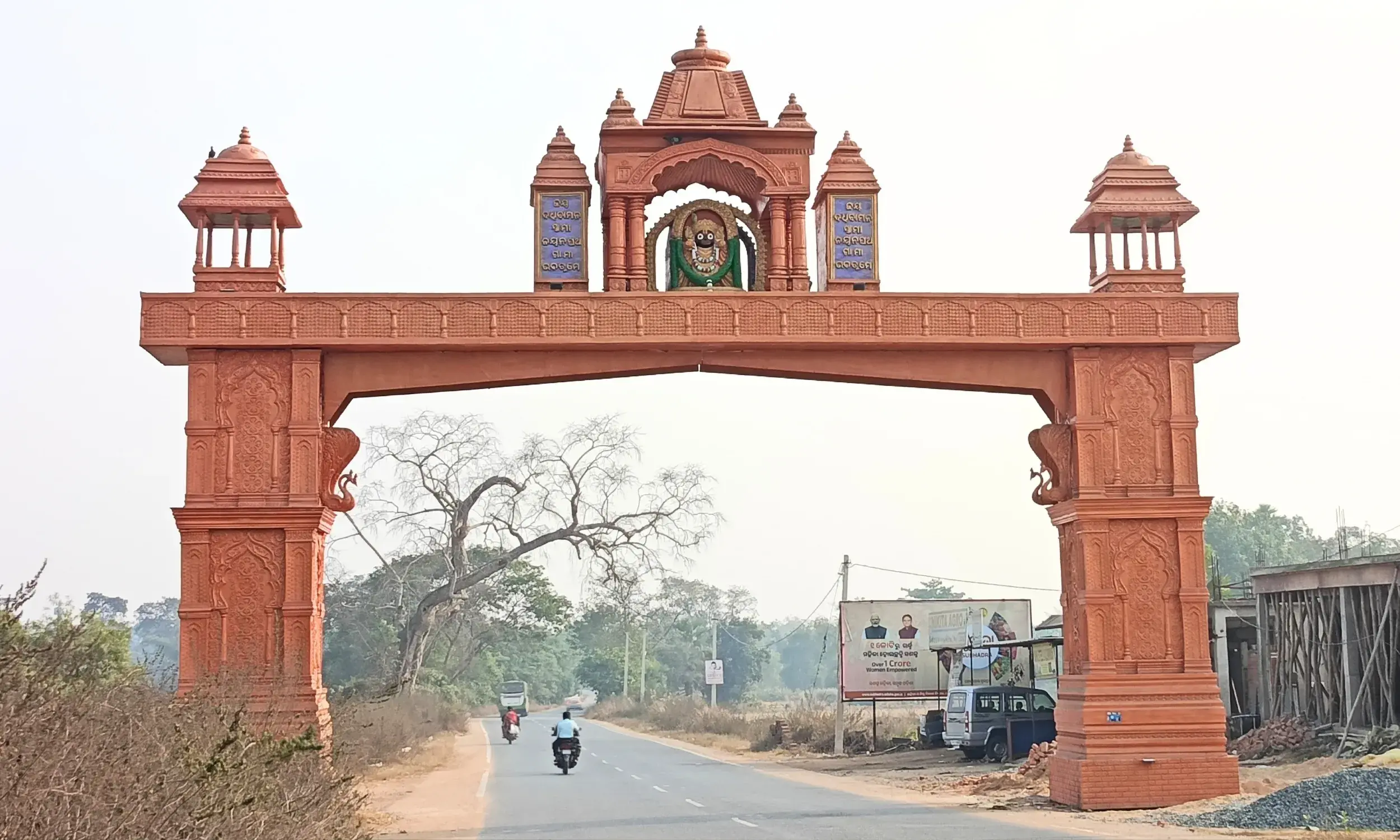
Kamala never returned from the fire. Strangely, when the ashes cooled, no remains of Kamala or the wooden deity could be found.
It was believed by all that Kamala, in her ultimate act of devotion, had completely merged with the divinity. To this day, she is worshipped alongside the Lord as Satihari.
The Prophecy Fulfilled
The Chakra Bandh Miracle
The very next morning, the villagers of Bhatli gathered at the edge of the sacred tank, filled with wonder and anticipation.
The Temple's Dawn
Consecration of the Deities
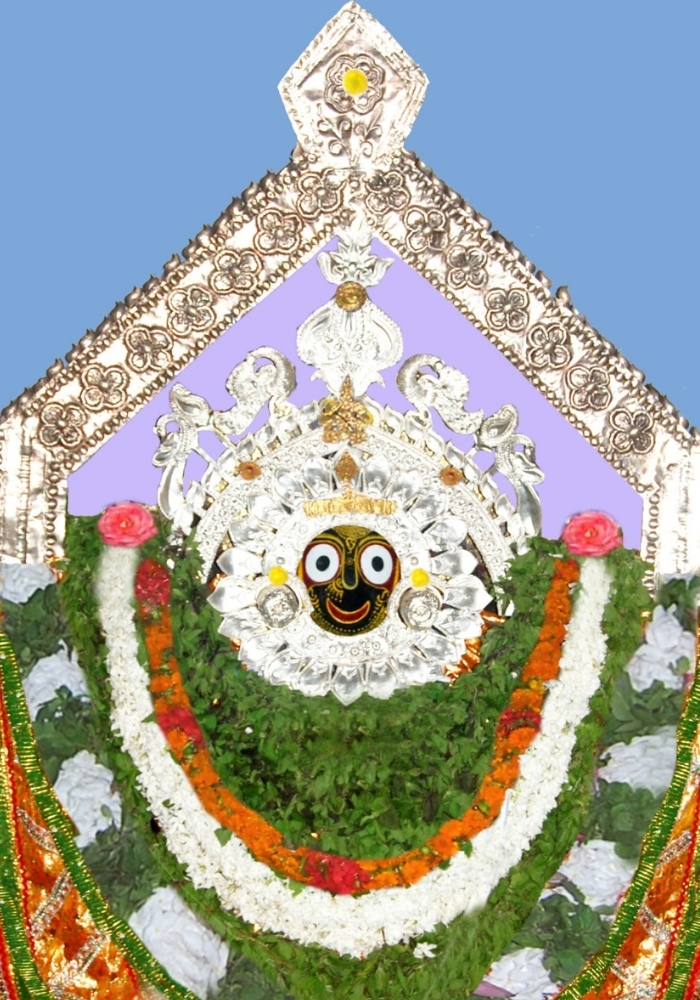
From the divine log, the new era of worship in Bhatli began, with the present-day temple being established in 1912.
The Divine Carving
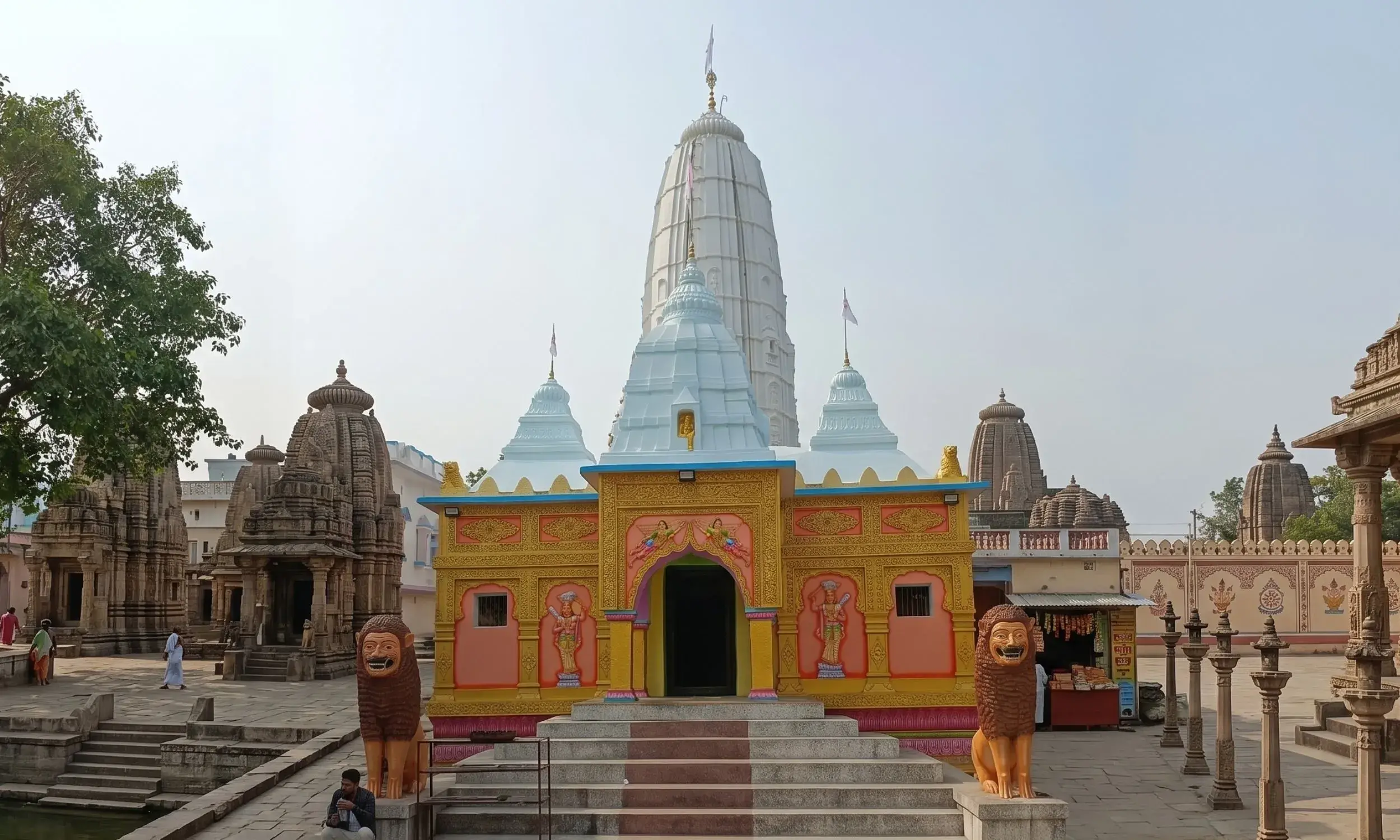
From the single sacred log brought from the Chakra Bandh, the images of both Lord Dadhivamana and the devoted Satihari (Kamla) were beautifully carved, fulfilling the Lord's command.
Community 'Kar Seva'
The miracle inspired the entire region. Donations came unasked, and devotees from Bhatli and neighboring villages vied with one another to offer 'Kar Seva' (free and voluntary labor) to construct a grand new temple.
The Temple (1912)
While the tradition of worship is ancient (c. 1600 AD), the construction of the present-day stone temple was completed in 1912 by Sri Shyamsunder Mishra, the chief of Tarajana Gram. The deities were installed on the throne, where they are worshipped to this day.
"This unwavering faith is why Bhatli Dham has gained fame as the 'Western Shrine' (Paschima Srikshetra) of Odisha, with its rituals performed in accordance with the Jagannath Temple of Puri."
A House for the Lord
The Temple's Construction
The grand stone temple seen today is the culmination of generations of devotion and a divine plan.
An Early Attempt
In the late 18th century, Gadadhar Sahu began constructing a new temple, but for unknown reasons, he was unable to complete the structure.
Completion in 1912
Generations later, the task was fulfilled. In 1912, the grand temple was completed by Shri Shyamsunder Mishra, the chief of Tarajana Gram.
Installation of the Deities
Lord Dadhibaman Mahaprabhu and Satihari were ceremoniously installed on the Ratna Singhasana (throne), where they are worshipped to this day.
"The famous Ratha Jatra festival, which has been held since 1600 AD, now had a grand abode for its presiding Lord, solidifying Bhatli as the Western Shrine of Odisha."
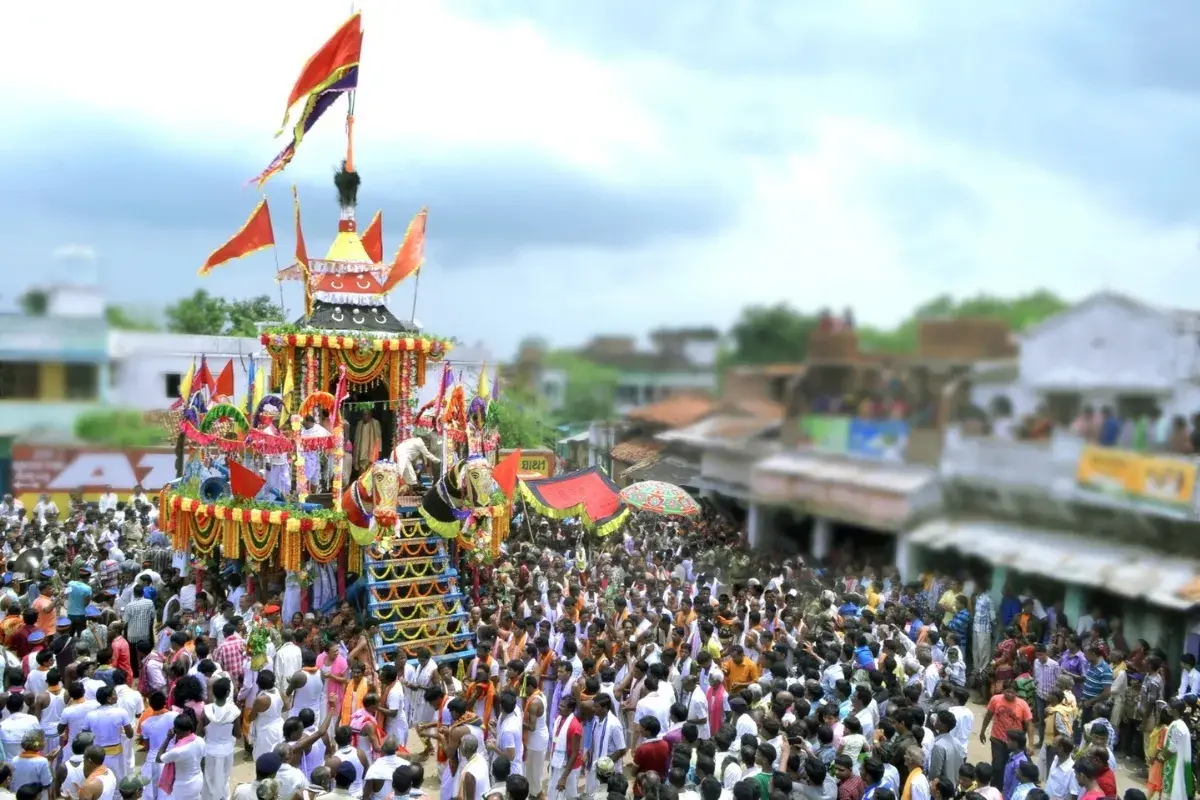
The Western Shrine
Why Bhatli is 'Paschima Srikshetra'
Bhatli Dham is revered as the 'Western Srikshetra' of Odisha for its profound spiritual significance and adherence to Puri's traditions.
Our Guiding Purpose
Mission & Vision
The core principles that guide the Sri Dadhibaman Mahaprabhunka Pabitra Rathayatra Parichalana Committee.